
Sign up today...
for featured titles, special offers, bestsellers, and more, in your inbox!
Close
Sign up today...
for featured titles, special offers, bestsellers, and more, in your inbox!
 Distribution Programs
 Sales Channels
 Marketing Services
 Digital Services
 Specific Services for Publishers
 Operations
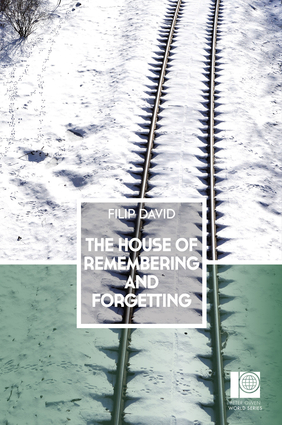

Peter Owen World Series: Serbia
FICTION
160 Pages, 5.25 x 8.25
Formats: Trade Paper, EPUB, Mobipocket, PDF
Trade Paper, $14.95 (US $14.95) (CA $19.95)
Publication Date: April 2018
ISBN 9780720619737
Rights: US & CA
Peter Owen Publishers (Apr 2018)
Young Albert Weiss is spared the horrors of Auschwitz when his parents throw him and his brother from a transport train. Years later, with the help of other survivors, he explores confronting the evil that robbed him of his childhood, and the guilt he feels for losing his brother.
Mosaic and semi-autobiographical, this book documents the stories of child survivors, a moving and necessary addition to Holocaust literature. For readers of Kurt Vonnegut’s Slaughterhouse-Five and the works of Primo Levi, The House of Remembering and Forgetting explores the complexities of memory, identity, and the enduring power of the human spirit. Discover a story of survival, redemption, and the search for meaning in the face of unimaginable loss.
